Hearing that a loved one is being shifted to the Intensive Care Unit (ICU) can feel overwhelming. In reality, doctors make this timely decision to deliver the highest level of monitoring and treatment when a patient’s condition becomes unstable.
This is where critical care plays its most important role.
In the ICU at Ethos Hospital, an experienced critical care specialist continuously monitors patients, manages life-support systems, and delivers advanced critical care.
Understanding the Purpose of IC
The ICU protects vital organs such as the heart, lungs, brain, and kidneys when they come under serious stress. A critical care doctor and trained nurses monitor patients continuously instead of placing them in regular wards. They detect even minor changes in oxygen level, pulse, or blood pressure at an early stage. This constant watch is the foundation of effective critical care hospital practice.
Severe Breathing Problems
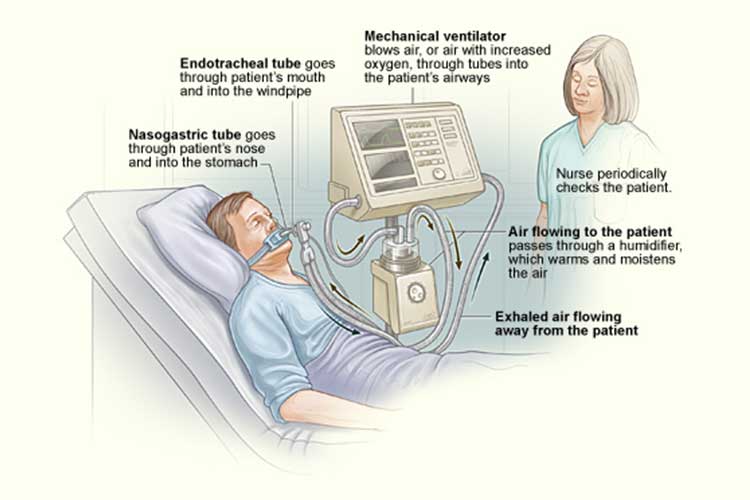
Patients who cannot breathe properly often require ICU admission. Severe pneumonia, asthma attacks, lung infections, or respiratory distress may require oxygen therapy or ventilator support. A critical care specialist can provide such advanced respiratory management only in a properly equipped critical hospital environment..
Heart Conditions Requiring Close Monitoring
Heart attacks, irregular heart rhythms, and sudden drops in blood pressure can become life-threatening within minutes. Continuous ECG monitoring and immediate treatment by a critical care doctor near me are what families urgently look for in such moments.
This level of attention is available inside a well-equipped critical care center.
Severe Infections and Sepsis
When infections spread into the bloodstream, they can affect the entire body. Sepsis can lead to confusion, low blood pressure, and organ dysfunction. Managing this condition requires intensive medications and observation in a critical care hospital.
Major Injuries and Post-Surgical Monitoring
Accidents, head injuries, internal bleeding, or major surgeries often require ICU observation. This precaution ensures that any complication is identified early, a standard followed by the best critical care hospital setups.

Brain and Neurological Emergencies
Stroke, seizures, brain infections, or head trauma can affect consciousness and breathing. ICU care allows continuous neurological monitoring under a trained critical care specialist.
Kidney Failure and Metabolic Problems
Sudden kidney failure and dangerous electrolyte imbalances demand strict monitoring and may require emergency dialysis. A critical hospital with ICU facilities delivers this care most effectively.
Poisoning, Drug Overdose, and Loss of Consciousness
Toxic exposure, overdose, or unexplained unconsciousness requires constant observation and airway protection, which are key functions of a critical care center.
Why Early ICU Admission Is Important
Timely transfer to the ICU improves survival and reduces complications. Choosing the best critical care hospital in India ensures access to advanced equipment and trained professionals when every second counts. For residents seeking the best critical care hospital in Kota, having access to such facilities locally is crucial.
Conclusion
A patient needs ICU admission when vital organs are at risk and continuous monitoring becomes essential. Whether due to breathing difficulty, heart problems, infection, injury, or surgery, the ICU provides the highest level of critical care.
At Ethos Hospital, patients receive focused attention from a dedicated critical care doctor and team, ensuring they are supported through the most serious phase of illness with expertise and compassion.