
When hearing starts to fade, two options come up in the conversation: a hearing aid, or a cochlear implant. They sound like competing choices, but they solve very different problems. One makes sound louder for an ear that still works. The other bypasses the damaged part of the ear entirely. Understanding the difference helps you ask the right questions before spending money on the wrong device. If you are looking for hearing loss treatment in Kota, here is how the decision is actually made.
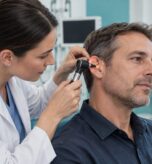
At Ethos Hospital, Kota, hearing is assessed with proper audiometry before any device is recommended, rather than fitting a hearing aid and hoping it helps.
What Is a Hearing Aid?
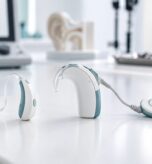
A hearing aid is an amplifier. It picks up sound with a microphone, processes it, and delivers a louder, cleaned-up version into your ear canal. Modern digital aids do this selectively, boosting the frequencies you have lost while keeping background noise under control.
The critical point is that a hearing aid depends on your inner ear still working. It makes sound louder, but the hair cells in the cochlea must still be able to convert that sound into a nerve signal. If enough of those cells are gone, turning up the volume simply makes sound louder without making it clearer, which is why some people say their hearing aid helps them hear speech but not understand it.
What Is a Cochlear Implant?
A cochlear implant does something fundamentally different. It skips the damaged inner ear altogether. An external processor captures sound and sends it to an implanted electrode array inside the cochlea, which stimulates the hearing nerve directly with electrical signals.
Because it does not rely on surviving hair cells, an implant can restore useful hearing where a hearing aid has stopped working. It requires surgery, and it requires the hearing nerve itself to be intact, which is confirmed with imaging and testing before the decision is made.
How Specialists Decide Between the Two
- How severe is the hearing loss? Mild to severe loss is usually managed well with hearing aids. Severe to profound loss is where implants are considered.
- Can you understand speech with aids fitted? This matters more than the raw hearing numbers. If properly fitted aids still leave speech unclear, amplification has reached its limit.
- Is the hearing nerve intact? An implant stimulates the nerve directly, so imaging is done to confirm the nerve and cochlea are suitable.
- How long has the hearing been gone? Outcomes are better when the loss is treated sooner, because the hearing pathways in the brain stay accustomed to processing sound.
- What are the expectations? An implant does not reproduce natural hearing immediately. It needs programming and months of listening practice.
Hearing Aid: What to Expect
The process starts with audiometry to map exactly which frequencies you have lost. The aid is then selected and programmed to that specific pattern, which is why an over-the-counter amplifier rarely performs like a properly fitted device. There is an adjustment period of a few weeks while your brain re-learns sounds it has not heard in years, and follow-up appointments fine-tune the settings. No surgery is involved and the device can be removed at any time.
Cochlear Implant: What to Expect
Implantation involves surgery under general anaesthesia to place the electrode array into the cochlea. The device is not switched on immediately. After healing, usually a few weeks later, the external processor is fitted and activated, then programmed over several sessions.
The first sounds often seem mechanical or robotic. This is normal and improves substantially as the brain adapts, but it takes months of consistent use and auditory rehabilitation. Patients who understand this in advance do considerably better than those expecting instant natural hearing.
Which Option Gives a Better Result?
Neither is better in isolation. A hearing aid on suitable hearing loss is simpler, cheaper, reversible, and highly effective. An implant on hearing loss that has moved beyond amplification restores communication that no hearing aid could deliver.
The genuine mistake is staying on hearing aids for years after they have stopped working, assuming nothing more can be done. That delay costs outcomes, because the longer the hearing pathways go unstimulated, the harder the adaptation becomes later.
Why This Decision Should Not Be Rushed
Some hearing loss is treatable without any device at all. Wax impaction, fluid behind the eardrum, a perforated eardrum, and otosclerosis all reduce hearing and all have specific treatments. Fitting an amplifier to a problem that surgery or a simple procedure could correct is a missed opportunity, which is why a full ENT assessment comes before any device discussion.
Hearing Care at Ethos Hospital, Kota
Our ENT department provides hearing assessment, audiometry, treatment of correctable causes of hearing loss, ear surgery, and guidance on hearing devices, so the recommendation is based on evidence rather than assumption.
Frequently Asked Questions
Can a hearing aid restore normal hearing?
No. A hearing aid improves access to sound, but it does not repair the ear. Properly fitted aids can make conversation comfortable again, though hearing will not be identical to normal hearing.
Is cochlear implant surgery risky?
It is a well-established procedure performed under general anaesthesia with a strong safety record. As with any surgery there are risks, which are discussed in detail during the assessment along with imaging and suitability testing.
Why does my hearing aid make sound louder but not clearer?
This usually means the inner ear damage has progressed beyond what amplification can compensate for. It is the point at which a cochlear implant assessment becomes appropriate, and it should be investigated rather than accepted.
Get Your Hearing Assessed in Kota
If your hearing has changed, or your current hearing aid no longer helps you follow conversation, get it properly assessed before buying another device. Contact Ethos Hospital to book a hearing evaluation.